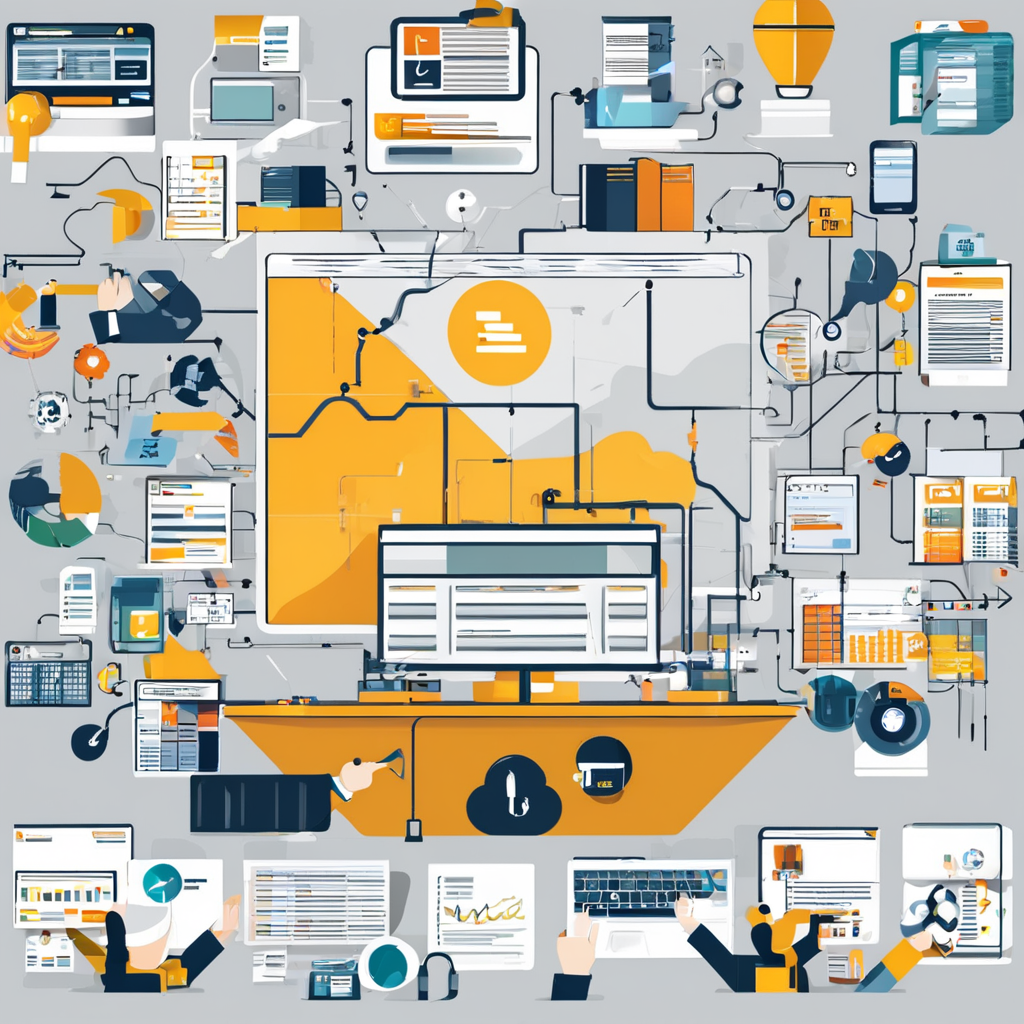
Enterprise Resource Planning Software (ERP) is a comprehensive system that integrates and manages all the core processes of a business. It helps organizations streamline their operations, improve efficiency, and make informed decisions based on real-time data. ERP software includes modules for various functions such as finance, human resources, supply chain management, customer relationship management, and more.
One of the key benefits of ERP software is centralizing data from different departments into a single platform. This allows for better communication and collaboration among teams, reduces the risk of errors from data silos, and provides a holistic view of the organization’s performance. By having a centralized database, employees can access up-to-date information easily and make faster decisions.
Another advantage of ERP software is automation. Manual tasks that are prone to errors, such as data entry and reporting, can be automated through ERP systems. This not only saves time but also improves accuracy and consistency in data processing. Automation also enables businesses to focus on more strategic tasks that add value to the organization.
ERP software helps improve operational efficiency by standardizing processes across the organization. By implementing best practices and workflows, businesses can eliminate redundant tasks, reduce lead times, and optimize resource utilization. This leads to cost savings and increased productivity, ultimately enhancing the overall competitiveness of the company.
With ERP software, organizations can gain better visibility into their operations through real-time reporting and analytics. Managers can track key performance indicators, monitor trends, and forecast future outcomes based on data-driven insights. This enables proactive decision-making and helps businesses stay agile in a fast-paced market environment.
Scalability is another important aspect of ERP software. As businesses grow and evolve, their software needs to adapt to changing requirements. ERP systems are designed to scale with the organization, allowing for additional modules and functionalities to be added as needed. This flexibility ensures that the software remains relevant and supportive of the company’s growth trajectory.
Security is a critical consideration for any organization, especially when dealing with sensitive data. ERP software provides robust data security measures to protect confidential information from unauthorized access or cyber threats. With features such as role-based access control and encryption, businesses can safeguard their data and ensure compliance with industry regulations.
ERP software facilitates better decision-making by providing accurate and timely information to stakeholders. With customizable dashboards and reports, users can analyze data in a visual format and derive valuable insights for strategic planning. This empowers managers to make informed decisions that drive business growth and profitability.
Collaboration is essential for business success, and ERP software enhances communication and cooperation among departments. By sharing a common platform, employees can work together more efficiently, share information seamlessly, and align their efforts towards common goals. This fosters a culture of collaboration and teamwork within the organization.
In conclusion, Enterprise Resource Planning Software is a powerful tool that can transform how businesses operate and compete in today’s dynamic market landscape. By centralizing data, automating processes, improving efficiency, and enabling informed decision-making, ERP software empowers organizations to achieve greater success and growth. Embracing ERP technology is essential for staying ahead of the competition and driving innovation in the digital age.